Key Takeaways
- Hardwax oils like Osmo provide a natural, repairable finish.
- Water-based lacquers offer the highest level of scratch resistance.
- Tannin pull and grain raising are common issues if preparation is skipped.
- Proper maintenance can extend the life of your floor by decades.
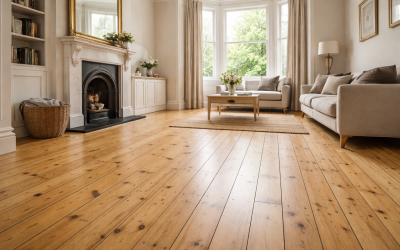
After investing in professional floor sanding, the most common problem homeowners face is choosing the right protective finish. Should you go for the natural feel of a hardwax oil or the bulletproof protection of a modern lacquer? Make the wrong choice, and you could find yourself needing a full re-sand in just a couple of years, wasting both time and money.
The Agitation: Why Finishes Fail
In the UK, our homes deal with significant moisture fluctuations. If a finish isn’t applied correctly—or if the timber wasn’t prepared with the right grit sequence—you’ll see peeling or discolouration. This is especially common in oak, where the natural tannins react with certain finishes. Without a professional touch, your kitchen floorboards could look tired and worn within months of a DIY application.
The Solution: Expert Knowledge on Oils and Lacquers
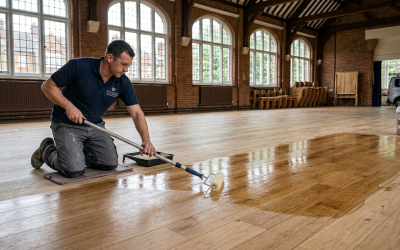
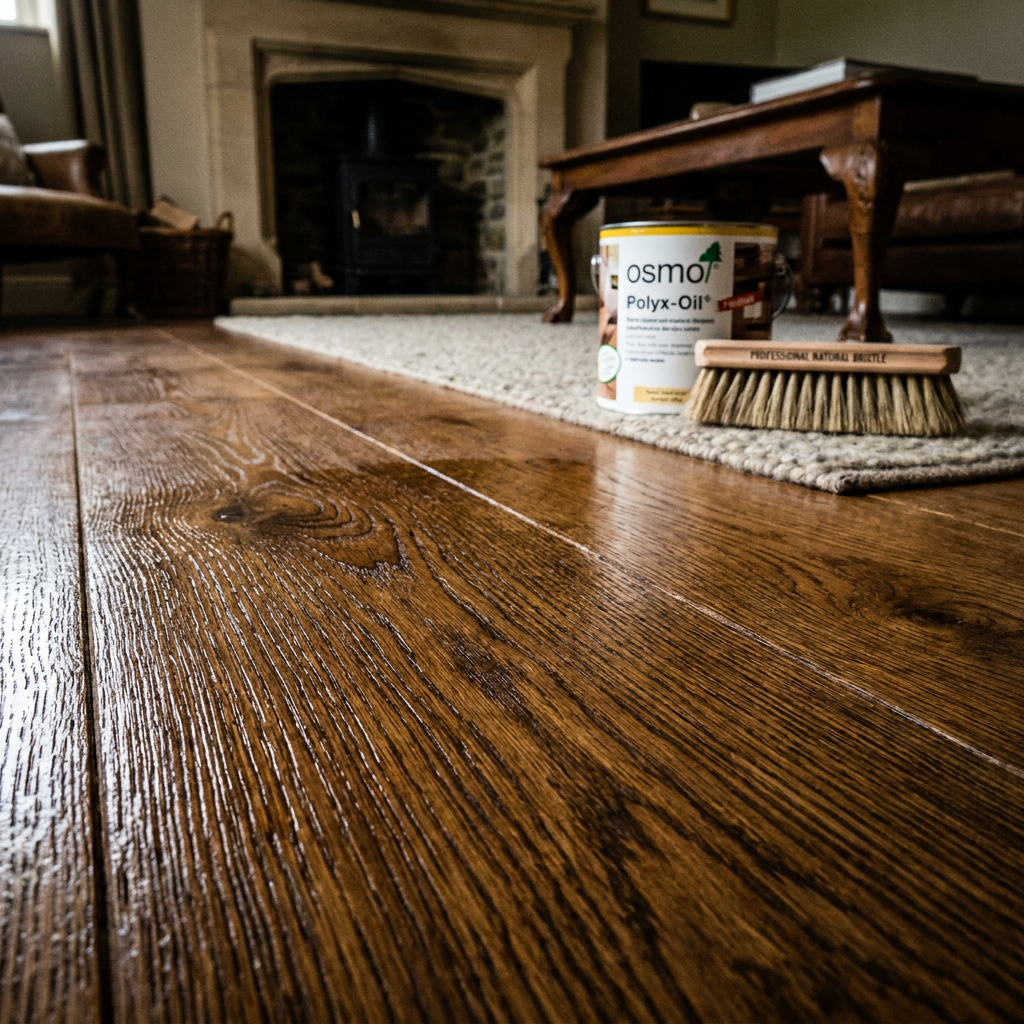
Understanding the difference is key to longevity. Hardwax oils soak into the timber, protecting it from within. They are excellent for those who want a tactile, ‘woody’ feel and the ability to spot-repair small areas. However, they do require more frequent maintenance with specialized products. We often recommend Osmo for these scenarios. If you are also refreshing your kitchen, consider our worktop refinishing services to match your new floor.
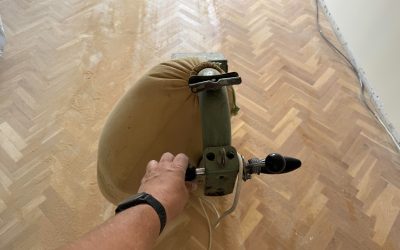
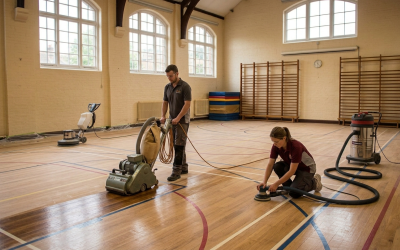
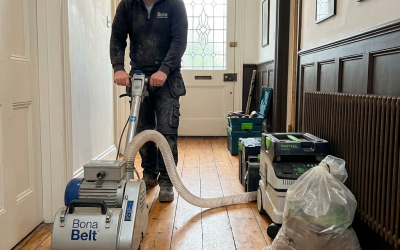
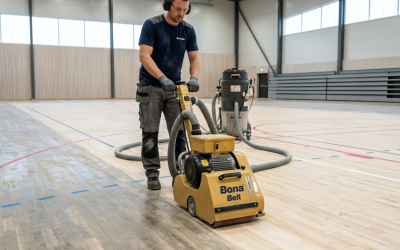
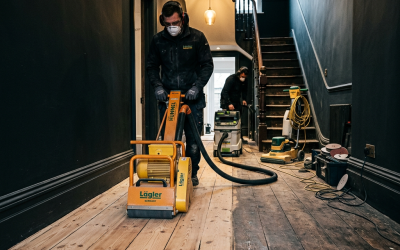
Water-based lacquers, on the other hand, sit on top of the wood. They provide a hard, clear film that is incredibly resistant to spills and scratches. For modern homes with pets or young children, this is often the superior choice. We use the Bona Flexisand system to prepare the surface to a fine finish before application.
Pro-Tip: Always perform ‘water popping’ before applying a hardwax oil to ensure a deep, even colour. This raises the grain slightly, allowing the oil to penetrate further into the timber. If you are staining wood floors, be mindful of ‘grain raising’ when using water-based primers; a light sanding with a high-grit mesh is essential between coats.
Maintaining Your Investment
Regardless of the finish, professional dust-free sanding followed by a regular cleaning regime is the secret to success. Avoid generic supermarket floor cleaners, which often contain harsh chemicals. Instead, use manufacturer-specific cleaners designed to support your chosen finish. If your floor starts to look dull, a professional ‘clean and coat’ can often restore the lustre without the need for full repairs. All our professional services come with a clear VAT breakdown and a long-term care guide.