Key Takeaways
- Victorian pine requires a careful grit sequence starting with 40-grit Zirconia.
- Gap filling with resin and sawdust is essential for a seamless finish.
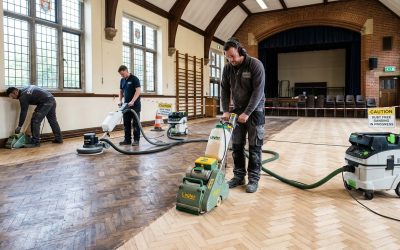
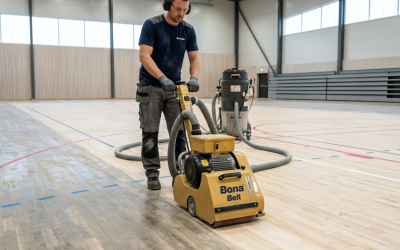
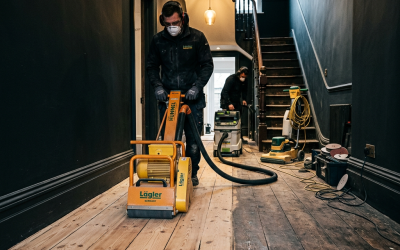
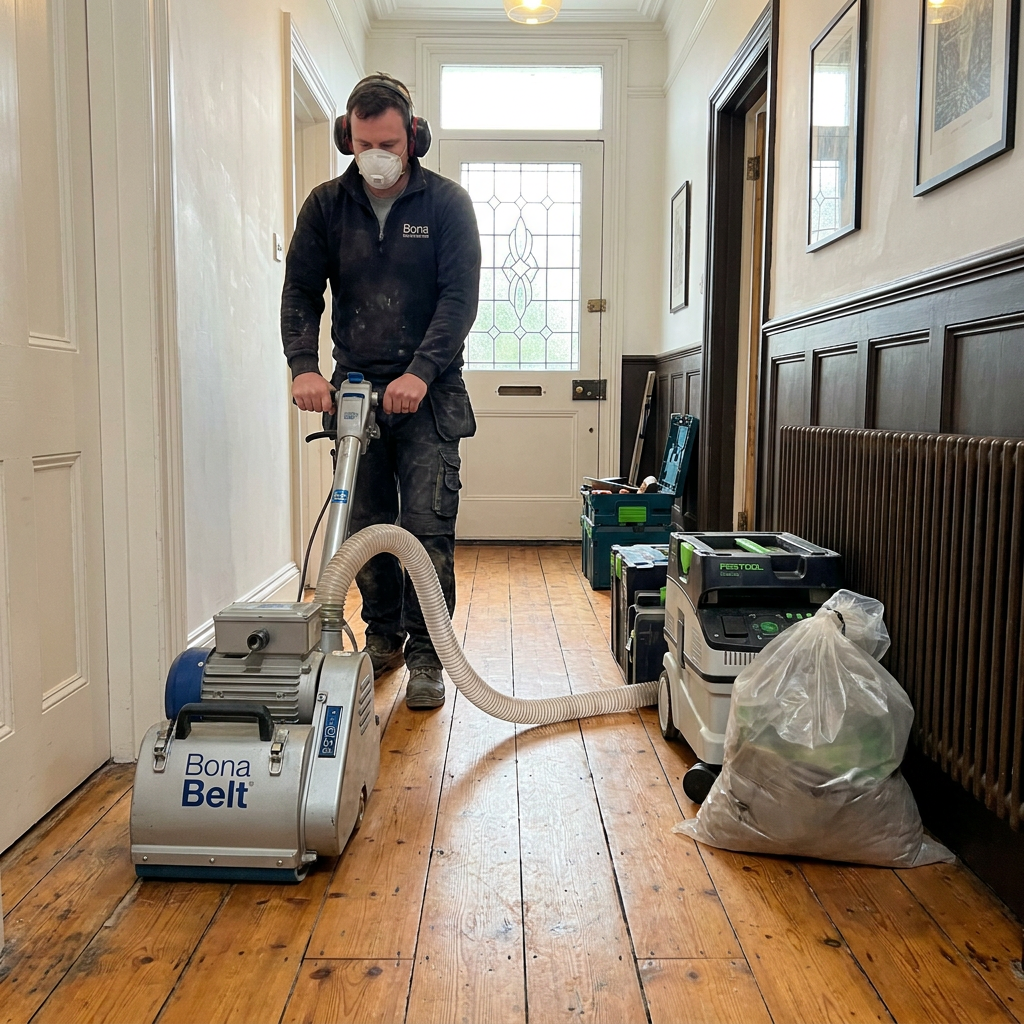
- Bona Belt and Flexisand machines ensure a dust-free heritage restoration.
- Final finish with Bona Traffic HD provides longevity in high-traffic hallways.
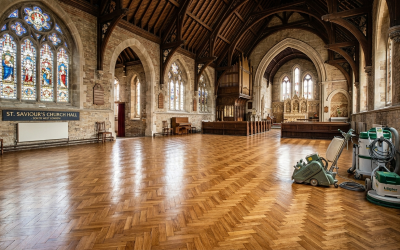
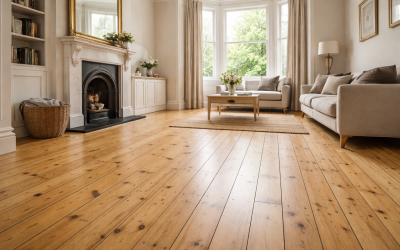
Victorian pine floorboards are a staple of British heritage architecture, yet many homeowners find them hidden under years of grime, paint, and old carpets. The problem? Decades of wear have left these timber boards uneven, drafty, and structurally compromised. Leaving them in this state not only detracts from your home’s aesthetic but can also lead to heat loss and further timber decay.
The Agitation of Neglected Heritage Timber
Walking across a squeaky, uneven Victorian floor is a constant reminder of neglect. These floors were never meant to be covered; they were designed to breathe. When you ignore the moisture content and the structural integrity of your floorboards, you risk ‘tannin pull’ or ‘grain raising’ once you finally decide to apply a finish. Without professional intervention from experienced floor sanding tradesmen, your beautiful heritage assets could be permanently damaged by DIY attempts using inferior equipment.
The Solution: A Specialist Restoration Approach
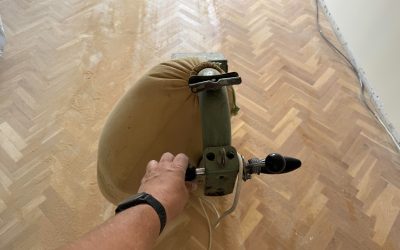
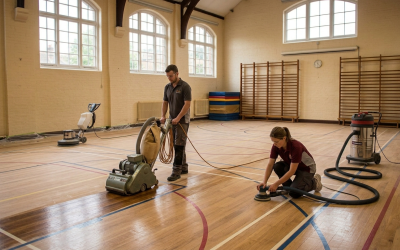
At Southwest London Floor Sanding, we utilise a multi-stage process that respects the age of the wood while providing a modern, durable finish. Our process begins with the Bona Belt and Frank Spider machines, ensuring a virtually dust-free environment. For uneven Victorian pine, we typically start with a 40-grit Zirconia paper. This aggressive start is necessary to level the boards and remove century-old contaminants without overheating the timber.
Pro-Tip: In the UK’s fluctuating humidity, ensuring the moisture content is below 12% before applying any finish is critical. We recommend professional wood floor sanding to prevent airborne particles from settling into the wet finish.
Gap Filling and Structural Repairs
One of the most requested features in heritage restoration is professional gap filling. We use a high-quality resin mixed with the fine dust collected during the sanding process. This ensures a perfect colour match. For larger gaps, ‘reclaiming’ timber from other areas of the house or using pine slivers is the professional choice to maintain the character of the floor. Check our sanding prices for a breakdown of restoration costs.
The Final Flourish: Finishes and Curing
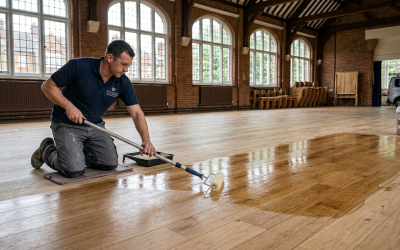
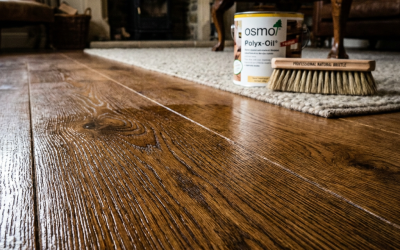
Choosing between a water-based lacquer and a hardwax oil is often the hardest decision. For Victorian hallways, we often recommend Bona Traffic HD. It offers incredible resistance to wear and tear. A typical sequence involves one coat of primer to prevent ‘tannin pull,’ followed by two to three coats of Traffic HD. Remember, curing times are influenced by UK humidity; while it may be touch-dry in hours, it requires 24-48 hours before light foot traffic and up to 7 days for a full cure. All our quotes include VAT as standard, ensuring transparency for our domestic clients.